
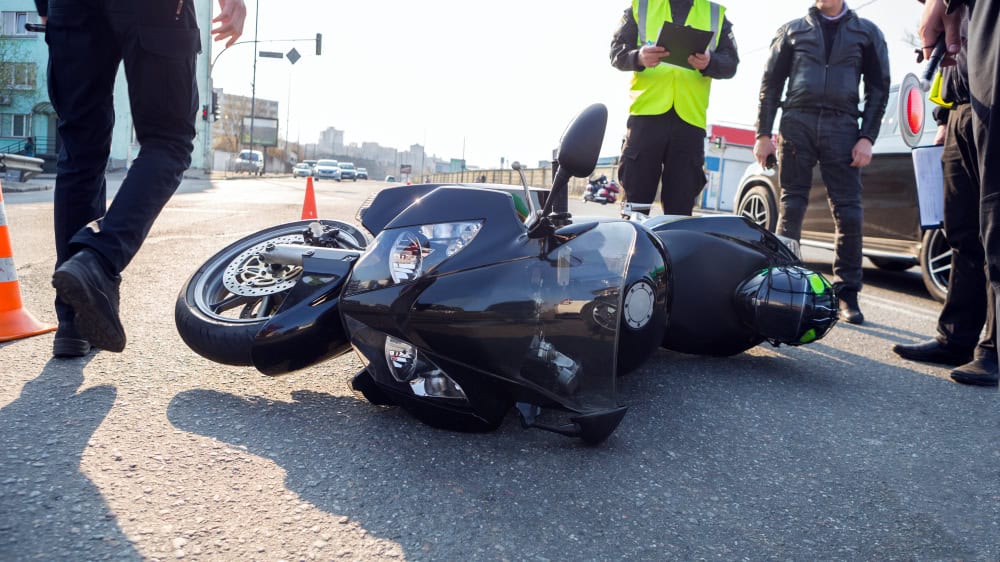
The Most Common Types of Motorcycle Accidents
Riding a motorcycle offers a sense of freedom that few other vehicles can provide. However, that freedom comes with inherent risks. Without the protective steel frame of a car, riders are significantly more vulnerable to severe injuries when a crash occurs. Understanding the most frequent types of motorcycle accidents can help riders stay vigilant and allow drivers to share the road more safely.
At Bill Easterly & Associates, we have seen firsthand the devastating aftermath of these collisions. Our legal team focuses on Tennessee personal injury law, fighting for the rights of injured riders. We know that navigating the physical, emotional, and financial recovery process requires experienced representation.
By exploring the common causes and dangerous motorcycle accidents that occur on our roads, we hope to raise awareness and protect our community.
Understanding the Statistics: The Reality of Motorcycle Crashes
Motorcycle accidents are alarmingly prevalent and frequently result in serious injuries. Because motorcycles are smaller and less visible than passenger vehicles, they are easily overlooked in heavy traffic.
Certain behaviors drastically increase the likelihood of a crash. Impairment plays a massive role in these tragedies; in fact, in 2023, alcohol was involved in roughly 43% of fatal motorcycle crashes. Speeding is another major factor, as it drastically reduces a rider’s reaction time and makes it difficult to maintain control or stop safely.
Additionally, inexperience contributes heavily to crashes, as new riders may struggle with emergency braking, tight maneuvering, and anticipating the actions of other drivers.
Common Types of Motorcycle Accidents
Motorcycle collisions happen for a variety of reasons, but certain patterns emerge when analyzing crash data. Here is a detailed breakdown of the most common types of motorcycle accidents.
1. Left-Turn Collisions
Often referred to as “left-turners,” these are among the most dangerous motorcycle accidents on the road. They typically occur at intersections when a car turns left directly in front of an oncoming motorcycle.
The driver often fails to see the motorcycle or misjudges its speed. Because the rider usually has very little time to react, these collisions are a leading cause of fatal motorcycle accidents.
2. Head-On Crashes
Head-on collisions are incredibly violent and frequently fatal. They happen when a motorcycle collides front-first with a passenger vehicle, a commercial truck, or even another bike.
In many cases, these accidents occur because a vehicle crossed the center line or drifted into oncoming traffic. The physics of a head-on impact leave the rider with virtually no protection against the massive force of the opposing vehicle.
3. Lane Splitting and Sharing Incidents
Lane splitting occurs when a motorcycle rides between two lanes of slow-moving or stopped traffic. While it is a controversial practice, it often results in accidents because drivers do not expect a vehicle to pass them in close proximity. A car may change lanes without checking its blind spots or suddenly open a door, leaving the lane-splitting rider with no route of escape.
Impact and Side-Impact Scenarios
Not all crashes happen head-on or at intersections. Many dangerous motorcycle accidents occur alongside or behind the rider.
4. Rear-End Accidents
A rear-end accident usually happens when a vehicle strikes the back of a motorcycle, or vice versa. If a car tailgates a rider and the motorcycle comes to a sudden stop, the car may plow into the back of the bike. Even a low-speed rear-end impact can easily eject a rider from their motorcycle, leading to severe road rash, broken bones, or traumatic brain injuries.
5. Sideswipe and Lane Change Dangers
Motorcycles have a narrow profile, making them easy to lose in a vehicle’s blind spot. Sideswipe accidents frequently happen on highways when a car attempts to merge or change lanes without thoroughly checking its surroundings. The car forces the motorcycle off the road or directly impacts the side of the bike, causing the rider to lose balance and crash at high speeds.
Rider-Specific Crashes
Some types of motorcycle accidents are unique to the physics of riding a two-wheeled vehicle. These are generally categorized into lowside and highside crashes.
6. Lowside Accidents
A lowside crash occurs when the bike slides out from underneath the rider. This typically happens during a turn when the motorcycle leans too far, often caused by excessive speed, loose gravel, or over-braking.
The motorcycle and the rider slide together across the pavement. While painful and likely to cause severe road rash, lowside crashes are generally considered less catastrophic than their highside counterparts.
7. Highside Accidents
Highside accidents are incredibly dangerous. They happen when the motorcycle’s rear tire loses traction, slides outward, and then suddenly regains its grip on the road. This violent snap effectively turns the motorcycle into a catapult, throwing the rider over the handlebars and high into the air. Riders involved in highside crashes frequently suffer from severe spinal cord injuries, broken bones, and head trauma.
Environmental Factors
A rider can follow every traffic law perfectly and still end up in a severe accident due to environmental hazards.
8. Fixed Object Collisions
Striking a stationary object like a tree, telephone pole, or guardrail often yields catastrophic results. These single-vehicle accidents usually happen when a rider is forced off the road by another vehicle or loses control of the motorcycle on a sharp curve.
9. Dangerous Road Conditions
Motorcycles are highly sensitive to road surface changes. Dangerous road conditions, such as uneven pavement, potholes, wet leaves, or slick surfaces, can cause a tire to wash out instantly. Municipalities are supposed to maintain safe roadways, but poor maintenance often puts riders at risk of losing control.
Take Action to Protect Your Rights
Understanding the various types of motorcycle accidents is the first step in staying safe, but knowing what to do after a crash is vital. The physical and financial toll of an accident should not fall on your shoulders if another driver was at fault.
If you or a loved one has been injured in a motorcycle accident in Tennessee, do not wait to seek legal help. Contact Bill Easterly & Associates today to schedule a free, confidential consultation. Let our experienced legal team review your case and help you fight for the justice and compensation you rightfully deserve.