
Can You Get Compensation If the At-Fault Driver Dies?
An at-fault driver’s death does not automatically end your Tennessee injury claim. Learn how insurance, estate representatives, and filing deadlines affect your options. Read More

After a work injury, you may face delayed treatment, disputed benefits, or medical restrictions your employer cannot accommodate. Getting clear answers about care and income becomes an immediate concern.
Bill Easterly & Associates helps workers in Nashville and Middle Tennessee understand their eligibility, resolve benefit disputes, and evaluate proposed workers’ compensation settlements. Our work focuses on the medical evidence, wage records, and Tennessee procedures that determine your benefits.
Call 1-888-272-4414 or request a free initial consultation to discuss your claim.
Our published case results reflect our experience and include a $478,060 workers’ compensation result.
Tennessee workers’ compensation generally provides benefits for covered employees whose injuries or illnesses meet the law’s work-relatedness requirements. You do not ordinarily have to prove that your employer was negligent. You do need evidence connecting the condition to your work and establishing the benefits requested.
Coverage depends on the employment relationship and applicable law. Most employers with five or more employees must carry coverage; construction and mining have different requirements. Calling a worker an independent contractor does not, by itself, settle the classification question.
We review job duties, medical opinions, and insurance information for lifting injuries, equipment injuries, repetitive trauma, and other conditions. An injury at work does not automatically establish coverage; a preexisting diagnosis also requires careful review of work-related causation.
Obtain emergency care when needed. For ongoing workers’ compensation treatment, you generally select an authorized treating physician from a panel of doctors supplied by the employer or insurer. The physician’s opinions can affect treatment authorization, work restrictions, and disability benefits.
We can address problems with a medical panel, denied care, missing records, and disputed restrictions. Keep panel documents, restrictions, prescriptions, and denial letters. Tell your physician accurately how the injury occurred and what your job requires.
The Tennessee Bureau’s guidance on filing a claim explains the medical panel and initial reporting process.
Our review of the available benefits may include:
After a compensable work-related death, qualifying dependents may receive death benefits, and burial benefits may also be available. These statutory benefits are different from a civil wrongful death claim against a responsible third party.
Workers’ compensation does not ordinarily award pain and suffering damages. Wage benefits also do not automatically replace your full paycheck. Rates and limits depend on the injury date and benefit type; we review the applicable figures rather than relying on a current maximum that may not apply to your case.
When workers’ compensation claims are denied by the board, this typically indicates that the administrators do not believe that your injuries are covered by workers’ compensation laws. If your claim for workers’ compensation has been denied, then you have the right to challenge the decision. There may be deadlines involved with filing an appeal, so you must take immediate action with the help of a skilled workers’ comp lawyer. Common reasons that have been cited for workers’ compensation denial include:
An insurance denial is not the same as a final court decision. We review the stated reason, such as disputed work-relatedness, alleged late notice, or a disagreement about treatment, alongside the medical records and reporting history. The response depends on the particular benefit and issue in dispute.
For injuries on or after July 1, 2014, a Petition for Benefit Determination generally starts the Bureau’s mediation process. Unresolved issues may proceed to the Court of Workers’ Compensation Claims through the applicable procedures. Treatment authorization disputes may also involve specific medical review requirements.
We can organize records, prepare filings, and represent you in mediation or hearings. We also assess available remedies for unreasonable denials or delays. Tennessee’s mediation guidance explains the process.
Report a work injury to your employer promptly. For injuries on or after July 1, 2016, Tennessee generally requires written notice within 15 calendar days, subject to actual-knowledge rules, gradual-injury rules, and other statutory exceptions. Retain a copy of your report.
A separate filing deadline applies. When no workers’ compensation benefits have been paid, a petition is generally due within one year after the accident. When benefits were voluntarily paid within the first year, the deadline is generally one year from the later of the last authorized treatment or the end of compensation payments. Other provisions can affect the calculation. Have the actual dates reviewed promptly instead of assuming an open insurance claim preserves your rights.
The initial consultation is free. Tennessee generally limits fees charged to injured workers to 20% of the recovery or award, subject to judicial approval and special calculation rules. We explain the proposed fee and case expenses before you sign an agreement.
If you need treatment, are missing benefit payments, or have been offered a settlement you do not understand, Bill Easterly & Associates can review your options. Call 1-888-272-4414 or contact our team for a free initial consultation at 3017 Poston Avenue, Nashville, TN 37203.
An at-fault driver’s death does not automatically end your Tennessee injury claim. Learn how insurance, estate representatives, and filing deadlines affect your options. Read More

Learn whether you can file a Tennessee personal injury claim while criminal charges are pending, including filing deadlines and compensation options. Read More

Learn how wet floor signs affect Tennessee slip-and-fall accidents, including warning visibility, property owner negligence, and comparative fault. Read More

Tennessee Uninsured Motorist Law Changes Coming in 2027 Quick Answer: Beginning July 1, 2027, Tennessee will increase administrative penalties for failing to verify required… Read More

Gallatin Pike and Main Street Construction: What East Nashville Can Expect Gallatin Pike and Main Street are getting more than new pavement. Nashville’s safety… Read More
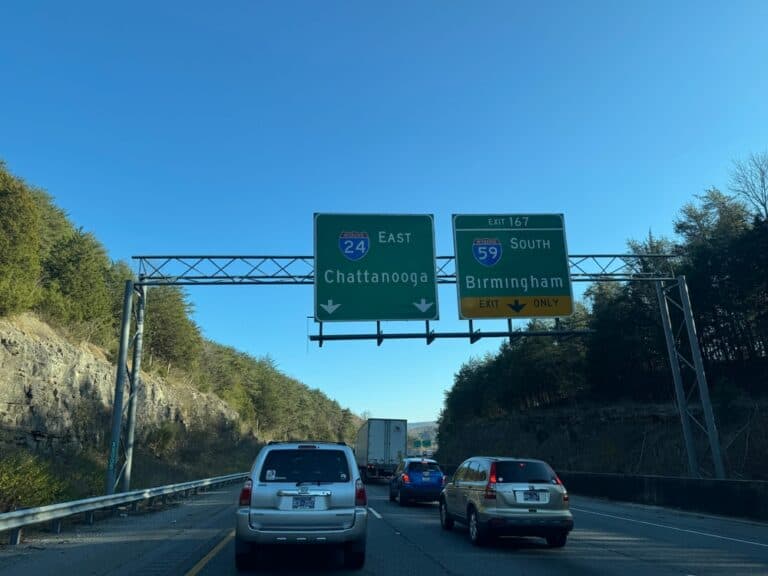
I-24 Crashes in Antioch: How SMART Corridor Signs Affect the Evidence Quick answer: SMART Corridor sign information may help determine the speed limit displayed,… Read More

What Happens If the At-Fault Driver Leaves the Scene? Quick answer: If an at-fault driver leaves the scene of a crash in Tennessee, you… Read More

Case Against Morgan & Morgan Raises Questions About Attorney Oversight Quick answer: A Georgia arbitrator awarded Robert Wyrosdick $4.3 million after a dispute over… Read More

What Is Dolly Day and Why Does Nashville Celebrate It? TL;DR: Dolly Day is a new citywide celebration held on September 25 in honor… Read More

Auto Vehicle Accident

Personal Injury

Workers’ Comp
Personal Injury

Medical Malpractice
Workers’ Comp
Auto Vehicle Accident
Auto Vehicle Accident
Auto Vehicle Accident
Auto Vehicle Accident

Truck Accident

Slip & Fall Accident

Brain Injury

Motor Vehicle Accident
Copyright © 2026 Bill Easterly & Associates• All Rights Reserved. Site Map | Privacy Policy.