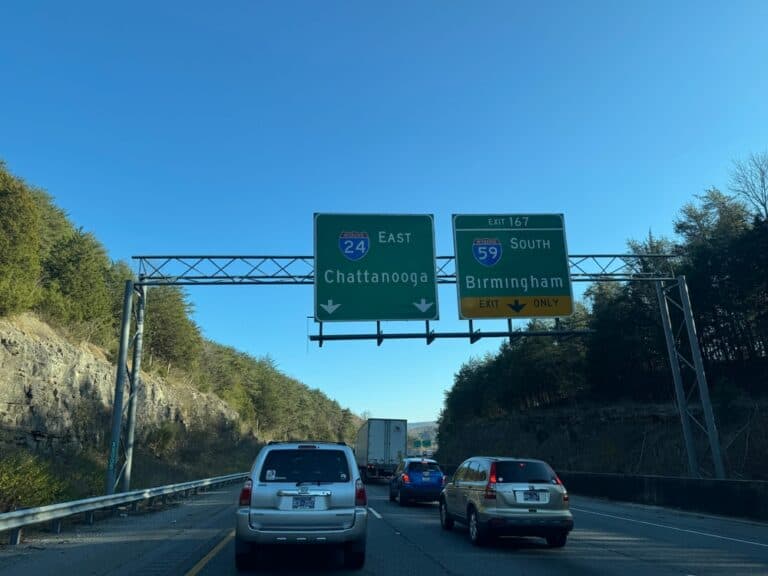
I-24 Crashes in Antioch: How SMART Corridor Signs Affect the Evidence
I-24 Crashes in Antioch: How SMART Corridor Signs Affect the Evidence Quick answer: SMART Corridor sign information may help determine the speed limit displayed,… Read More

A permanent injury can change the care you need, the work you can do, and whether your home still meets your needs. When another party is legally responsible, a claim should account for those lasting consequences as well as the first hospital bills. Bill Easterly & Associates helps people in Nashville and Middle Tennessee pursue compensation after injuries that cause severe, enduring limitations.
Our catastrophic injury attorneys evaluate the medical evidence, identify available sources of recovery, and develop a claim around the support your condition may require. Call 1-888-272-4414 or request a free case evaluation.
Bill Easterly founded our firm in Nashville. Our legal team brings more than 25 years of collective personal injury litigation experience to evaluating serious injury claims.
These cases may involve spinal cord damage and paralysis, limb loss, extensive burns, permanent loss of vision, or multiple injuries that leave substantial physical limitations. A diagnosis alone does not establish the value of a case. We look at the person’s expected recovery, ability to live independently, treatment recommendations, and employment restrictions.
Some people need accessible housing or assistance with bathing and transfers. Others can live independently but cannot return to physically demanding work. Those differences shape the investigation and the damages we pursue. For claims centered on cognition, memory, or concussion symptoms, our Nashville brain injury attorneys address the medical proof specific to TBI.
The cost of a permanent disability often becomes clearer during rehabilitation. We work to document future needs without assuming that every possible treatment will be required. Depending on the evidence, that work can include:
A life care plan can organize medically supported needs and projected costs. Its recommendations and assumptions must be supported by evidence. In Nashville and surrounding communities, that analysis should reflect where the client lives, how treatment is delivered, and what recommended services actually cost.
Serious harm does not by itself prove that someone else is liable. We investigate the conduct that caused the injury and preserve the relevant records, physical evidence, and witness accounts. That work can begin while your healthcare providers are still assessing your recovery.
Our attorneys also examine how a proposed settlement addresses unresolved future needs. A final release can close the claim even if later expenses exceed expectations. We explain the evidence, available coverage, and terms of an offer so you can make an informed decision.
Most Tennessee personal injury lawsuits have a one-year limitations period running from when the claim accrues, subject to exceptions and claim-specific rules. Continuing treatment and settlement discussions do not ordinarily pause that deadline.
A claim may include reasonable medical expenses, supported future care costs, lost earnings, diminished earning capacity, and legally available damages for pain, disability, or loss of enjoyment of life. We assess those categories separately to avoid overlooking future needs or counting the same loss twice.
A spouse may also have a loss-of-consortium claim for proven harm to the marital relationship, including loss of companionship or services. This is distinct from documenting the injured person’s care needs; helping with care does not automatically give every relative a separate claim. Our loss of consortium guide explains the distinction.
Tennessee Code section 29-39-102 generally limits noneconomic damages to $750,000, with a $1 million limit for specifically defined catastrophic losses and separate statutory exceptions. The statute’s definition is narrower than ordinary use of the word “catastrophic.” A severe brain injury or a single amputation does not automatically qualify for the higher limit. These noneconomic limits do not themselves cap economic damages, although other legal limits and available coverage can affect recovery.
You do not need a final prognosis to ask for legal help. Bring the medical information you have, any insurance correspondence, and your immediate concerns about work or care. We can explain what additional medical or financial information may be needed.
For accepted personal injury cases, our attorney fee is contingent on a recovery. The written agreement explains the percentage and responsibility for case expenses.
Call 1-888-272-4414 or contact Bill Easterly & Associates for a free initial evaluation. Our office is at 3017 Poston Avenue, Nashville, TN 37203, serving clients in Davidson County and across Middle Tennessee.
A loss of earning capacity may exist even when you return to work. The issue is how the injury affects your ability to earn, including restrictions that require reduced hours or a different occupation. Our lost earnings and earning capacity guide explains the distinction.
I-24 Crashes in Antioch: How SMART Corridor Signs Affect the Evidence Quick answer: SMART Corridor sign information may help determine the speed limit displayed,… Read More

What Happens If the At-Fault Driver Leaves the Scene? Quick answer: If an at-fault driver leaves the scene of a crash in Tennessee, you… Read More

Case Against Morgan & Morgan Raises Questions About Attorney Oversight Quick answer: A Georgia arbitrator awarded Robert Wyrosdick $4.3 million after a dispute over… Read More

What Is Dolly Day and Why Does Nashville Celebrate It? TL;DR: Dolly Day is a new citywide celebration held on September 25 in honor… Read More

How Life Care Plans Prove the True Cost of a Catastrophic Injury Quick answer: Life care plans prove the true cost of a catastrophic… Read More

How to Beat Motorcyclist Bias in a Tennessee Injury Case Quick answer: Overcoming bias against motorcyclists in a Tennessee injury case means replacing unfair… Read More

What’s the Value of an Accident Report? Quick answer: An accident report is an official document that records important information about a crash, including… Read More

Nashville’s Proposed Ban on Right Turns on Red Quick answer: Nashville’s Metro Council is considering a proposal that would restrict right turns on red… Read More

Can Parents Represent Their Child in a Tennessee Injury Case? Quick answer: Tennessee law does not allow a parent who is not a licensed… Read More

Auto Vehicle Accident

Personal Injury

Workers’ Comp
Personal Injury

Medical Malpractice
Workers’ Comp
Auto Vehicle Accident
Auto Vehicle Accident
Auto Vehicle Accident
Auto Vehicle Accident

Truck Accident

Slip & Fall Accident

Brain Injury

Motor Vehicle Accident
Copyright © 2026 Bill Easterly & Associates• All Rights Reserved. Site Map | Privacy Policy.