
Nashville’s Proposed Ban on Right Turns on Red
Quick answer: Nashville’s Metro Council is considering a proposal that would restrict right turns on red in designated areas, including Downtown, Connect Nashville areas, NashvilleNext Tier 1 areas, and school zones. Council Member Sandra Sepulveda introduced the measure as a pedestrian-safety initiative. After an original proposal covering the Urban Services District drew public feedback, the planned substitute was narrowed to focus on specific areas with high pedestrian activity and crash concerns.
Nashville’s Metro Council is weighing a change to local traffic laws that could affect thousands of drivers every day. District 30 Council Member Sandra Sepulveda introduced a proposal to ban right-on-red turns in specific high-pedestrian areas and school zones. The goal is straightforward: fewer pedestrians and cyclists killed on city streets.
The idea grows out of Nashville’s Vision Zero policy, which aims to eliminate all traffic deaths. With 20 pedestrians killed while crossing city roads so far this year, according to the Metro Nashville Police Department, supporters say the current rules are not doing enough to protect people on foot.
Below, the attorneys at Bill Easterly & Associates break down what the proposal includes, why it is on the table, and what it could mean for drivers and pedestrians across Tennessee.
What Is the Proposed Right-on-Red Ban?
The proposal would prohibit right turns on red at targeted intersections, with a focus on school zones and high-pedestrian corridors. The original version aimed to cover the entire 200-square-mile Urban Services District. The scope has since been narrowed to concentrate on the highest-risk areas, including major growth corridors.
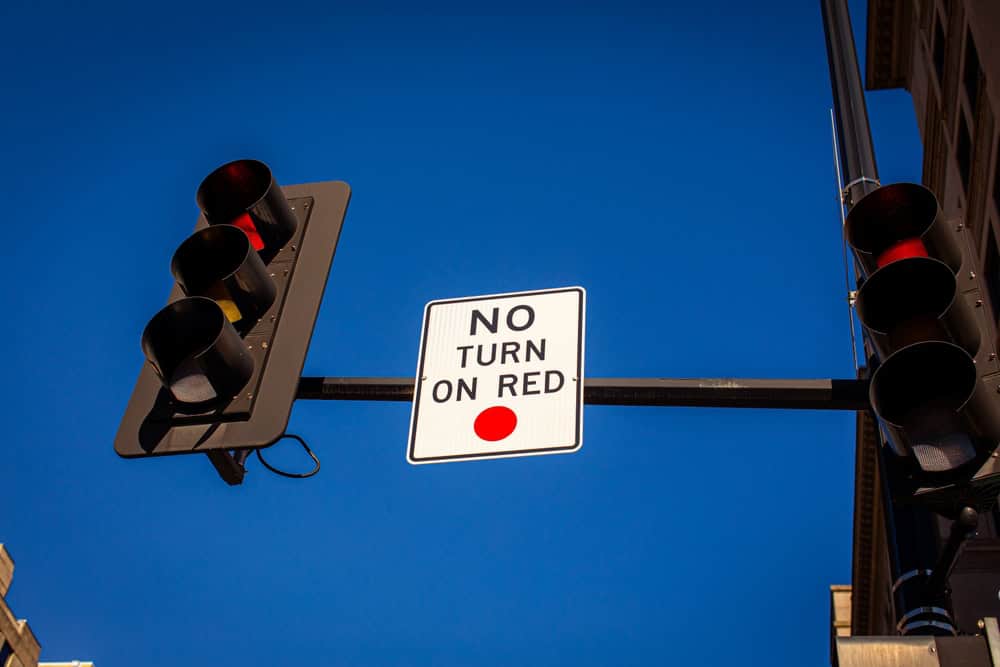
If the ordinance passes, the Nashville Department of Transportation and Multimodal Infrastructure (NDOT) would post “No Turns On Red” signs at each affected intersection. Sepulveda argues that right turns on red force drivers to split their attention between cross traffic and pedestrians in crosswalks, a divided focus that can turn deadly.
Why Is Nashville Considering This Change?
By mid-August 2026, Nashville has recorded 21 pedestrian deaths on city roads this year, even with Vision Zero efforts in place. Right turns on red are legal, but they carry risk when drivers fail to yield to people walking or biking.
The ban targets the intersections where foot traffic and crash potential are highest. Rather than a citywide sweep, the revised plan focuses on locations where the danger to pedestrians is most severe.
What Is the Legislative Timeline for the Ban?
The proposal cleared its first reading in August 2026. After community feedback, Council Member Sandra Sepulveda proposed narrowing its scope before the next vote. The legislation is scheduled for its second of three Metro Council readings on September 15, 2026. Because the measure is still moving through the legislative process, its language and scope could change before final approval.
If the ordinance passes, the timeline unfolds like this:
- A 90-day warning period, during which police issue warnings instead of citations for violations.
- Full implementation roughly five months after passage.
- A written report from NDOT to Metro Council one year after the changes take effect, including crash data and analysis of traffic and travel-time impacts.
That report must also assess whether to extend the prohibition to the rest of Davidson County.
What Are the Exceptions to the Ban?
The rule would not be permanent at every intersection. NDOT could allow right turns on red to resume at a given location, but only after completing an engineering and safety study showing that turning cars do not increase the risk to people walking, biking, or using transit.
During the initial 90 days, officers would issue warnings rather than tickets, giving drivers time to adjust to the new protocol.
How Would the Ban Affect Drivers and Communities?
Reaction from Nashville residents has been mixed. Some drivers worry about longer commutes, arguing that stalled right-turn lanes will back up traffic at busy intersections. Others question whether a citywide approach makes sense, with some supporting a downtown-only start around Broadway.
At the same time, communities in the targeted zones could see safer crossings for pedestrians and cyclists. Court records show 811 citations for running red lights so far this year, following 946 in 2024 and 1,308 in 2025, a sign that intersection safety remains an ongoing concern.
What This Means for Tennessee Drivers and Pedestrians
Whether the right-on-red ban passes or not, the debate highlights a hard truth: intersections are among the most dangerous places on any road. Drivers and pedestrians alike benefit from paying closer attention at every crossing.
If you or a loved one has been injured in a car accident in Tennessee, the attorneys at Bill Easterly & Associates can help. Contact us today for a consultation to understand your rights and your options for recovery.
Frequently Asked Questions
What is a right-on-red ban?
A right-on-red ban prohibits drivers from turning right at a red light, requiring them to wait for a green signal. Nashville’s proposed version would apply to high-pedestrian areas and school zones rather than every intersection.
When would Nashville’s right-on-red ban take effect?
If passed, the ban would take effect about five months after approval. A 90-day warning period would come first, during which police issue warnings instead of citations.
Why does Nashville want to ban right turns on red?
The goal is to reduce pedestrian and cyclist fatalities. Twenty pedestrians have been killed on Nashville roads this year, and right turns on red require drivers to watch both cross traffic and crosswalks at once.
Are there exceptions to the proposed ban?
Yes. NDOT can allow right turns on red at a specific intersection after an engineering and safety study confirms that turning cars do not raise the risk to pedestrians, cyclists, or transit users.
Who can I contact after a car accident in Tennessee?
If you or a loved one has been hurt in a crash, the attorneys at Bill Easterly & Associates can review your case and guide you through your legal options.