
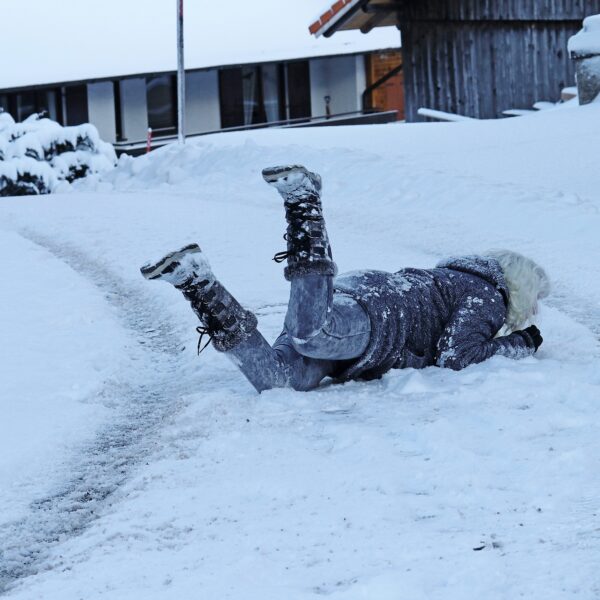
What Are Your Rights in Slip and Fall Accidents After a Winter Storm?
Winter in Tennessee brings beautiful scenery, but it also brings treacherous conditions. When ice and snow blanket sidewalks, parking lots, and walkways, the risk of injury skyrockets. A simple trip to the grocery store or a walk into an office building can turn into a painful, life-altering event if property owners fail to maintain safe premises.
If you have been injured on someone else’s property due to untreated ice or snow, you may be wondering if you have legal recourse. Understanding your rights is crucial, especially given the specific laws governing premises liability in Tennessee. Bill Easterly & Associates explores what you need to know about slip and fall accidents following winter storms and how to protect your future.
Understanding Your Rights in Tennessee
In Tennessee, property owners — whether residential or commercial — have a legal duty to maintain their premises in a reasonably safe condition. This duty extends to managing hazards created by winter storms, such as accumulated snow and ice.
However, simply falling on snow does not automatically guarantee a successful lawsuit. To have a valid claim, the accident must stem from the property owner’s negligence. You generally have the right to seek compensation if you can demonstrate that the owner failed to act responsibly to prevent the injury.
This area of law falls under “premises liability.” The core concept is that visitors should not be subjected to unreasonable risks of harm. If a business owner invites customers in but leaves the entryway covered in black ice, they may be violating your rights to safety.
Proving Negligence in Slip and Fall Cases
To recover damages for your injuries, you generally must prove four key elements of negligence:
- Duty of Care: The property owner owed you a duty to keep the premises safe.
- Breach of Duty: The owner failed to fulfill that duty (e.g., by not salting a walkway).
- Causation: The breach directly caused your fall.
- Damages: You suffered actual harm (medical bills, pain, lost wages) as a result.
A critical part of proving negligence is establishing “notice.” You must show that the property owner either knew about the dangerous condition (actual notice) or should have known about it through reasonable diligence (constructive notice).
For example, if ice had been present on a store’s steps for two days, a court would likely argue the owner should have known about it and taken action.
Comparative Fault
Tennessee operates under a “modified comparative fault” system. This means that if you are found to be 50% or more responsible for your own fall (perhaps you were running or wearing inappropriate footwear for the conditions), you cannot recover damages. If you are less than 50% at fault, your compensation will be reduced by your percentage of fault.
The “Reasonable Time” Exception
One of the most distinctive aspects of Tennessee law regarding winter slip and fall cases is the timing of the accident relative to the storm.
Property owners are generally granted a “reasonable time” after a storm ends to clear snow and ice. This is a practical recognition that it is difficult and dangerous to shovel or salt while snow is actively falling. If you slip and fall while a blizzard is still raging, it may be difficult to hold the property owner liable, as they are not usually expected to clear hazards during a weather event.
However, once the storm passes, the clock starts ticking. If a reasonable amount of time has passed — enough time for a diligent owner to shovel or apply de-icer — and the hazard remains, liability becomes much more likely. What constitutes “reasonable” can vary based on the specific circumstances, which is why having legal representation is vital.
Compensation and Damages Available
Injuries from slipping on ice can be severe, ranging from broken bones and concussions to spinal cord injuries. If you can prove the property owner was negligent, you have the right to seek compensation for various economic and non-economic losses. Common damages include:
- Medical Expenses: Covers hospital bills, surgeries, physical therapy, and medication.
- Lost Wages: Reimbursement for income lost while you were recovering.
- Pain and Suffering: Compensation for physical pain and emotional distress.
It is important to note that Tennessee generally places a cap on non-economic damages (like pain and suffering) at $750,000. This cap increases to $1 million in cases involving catastrophic injuries.
Contact Bill Easterly & Associates for Help
Navigating a premises liability claim after a winter storm can be complex. Insurance companies often try to shift the blame onto the victim or argue that the storm was still “active.” You need a dedicated legal team to fight for your rights.
At Bill Easterly & Associates, we understand the nuances of Tennessee law and how to build a strong case for negligence. If you have been injured, don’t face the aftermath alone.
Contact Bill Easterly & Associates today for a free consultation. Let us help you get the compensation you deserve.