
The Importance of Documenting Evidence After a Crash
A vehicle collision happens in a matter of seconds, but the financial and physical aftermath can extend for months or even years. When the dust settles, the success of your personal injury claim depends heavily on what you do next. Establishing liability, proving the extent of your damages, and securing fair compensation all require a foundation of solid, indisputable proof.
The outcome of insurance claims and legal proceedings often hinges on the quality of your car accident evidence. Memories fade rapidly, and physical scenes are cleared away quickly to restore traffic flow. Without a proactive approach to capturing the details of the crash, you leave yourself vulnerable to false claims, shifted blame, and denied compensation.
The car accident attorneys at Bill Easterly & Associates outline the critical steps you must take to protect your legal rights. By understanding the proper methods for documenting evidence, you can build a strong case that accurately reflects the events of the collision. From immediate actions at the scene to the ongoing tracking of medical expenses, meticulous record-keeping is your best defense.
Immediate Steps at the Accident Scene
The moments immediately following a crash are chaotic and stressful. However, if you are physically able to do so safely, gathering car accident evidence at the scene is highly effective. The raw details present before vehicles are moved provide the clearest picture of what occurred.
1. Accident Scene Photography
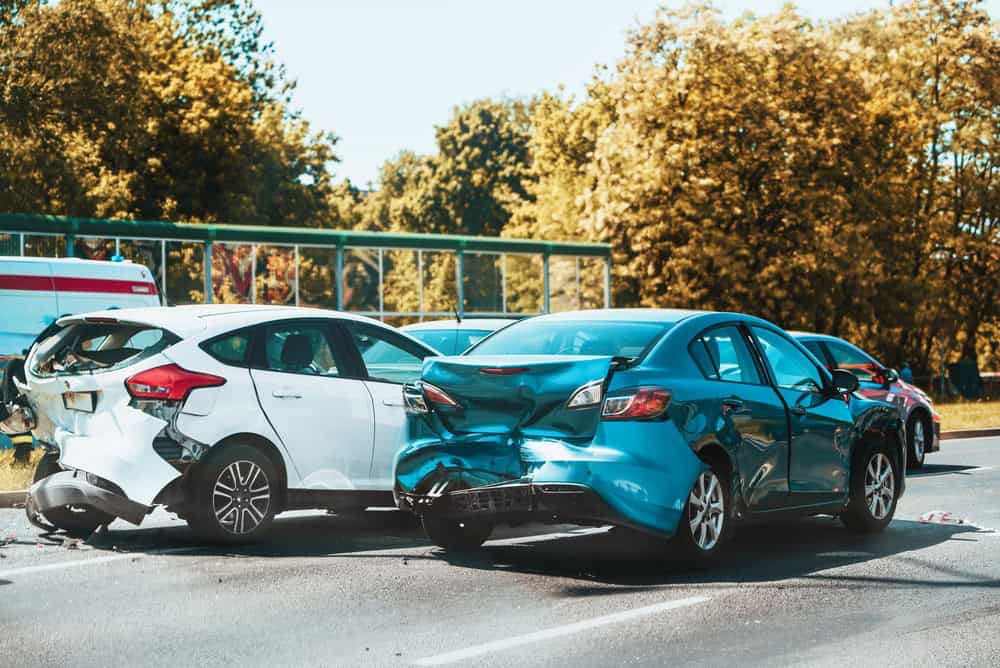
Your smartphone is one of your most valuable tools after a collision. Take immediate, detailed photographs and videos of the entire scene from multiple angles. Focus on capturing the resting positions of all vehicles involved, as well as close-up shots of the property damage.
Do not limit your photography to the vehicles alone. Capture the surrounding environment, including road conditions, weather, traffic signals, and any relevant street signs. Skid marks and debris on the roadway are also crucial pieces of evidence that can help accident reconstruction experts determine the speed and trajectory of the vehicles leading up to the impact.
2. Witness Information
Bystanders and other drivers who saw the crash can provide critical, unbiased accounts of the event. Independent witnesses often observe details that the involved parties might miss, such as a driver violating a traffic light, speeding, or texting behind the wheel.
Approach anyone who stopped to help or saw the collision occur. Ask politely for their names, phone numbers, and email addresses. Securing this contact information promptly allows your legal team to reach out to them later for formal statements, which can heavily influence the determination of fault.
3. Official Documentation
Calling law enforcement to the scene is a vital step in documenting evidence. Responding officers will investigate the crash, speak to the drivers involved, and compile an official police report. This document serves as an objective, authoritative record of the incident.
The police report typically includes the officer’s initial assessment of fault, citations issued for traffic violations, and a diagram of the crash scene. Always request a copy of this report or obtain the report number before leaving the scene so your attorney can access it easily during the claims process.
Post-Accident Documentation
Gathering evidence does not stop once you leave the scene of the crash. The days and weeks following the collision are just as critical for building your case, particularly regarding the physical and financial impact of your injuries.
4. Medical Records
Seeking immediate medical attention is necessary for your health and your legal claim. Keep thorough, organized records of all doctor appointments, emergency room visits, physical therapy sessions, and specialist consultations.
You must retain copies of your medical bills, official diagnoses, and treatment plans. These documents serve as direct proof of the severity of your injuries and the financial burden they have caused. Gaps in your medical treatment or missing records can give insurance companies an excuse to argue that your injuries are not as serious as you claim.
5. Physical Evidence & Surveillance
Many intersections, local businesses, and private residences are equipped with security cameras or doorbell cameras. These systems may have captured the entire collision on video. However, this type of car accident evidence is highly time-sensitive.
Most security systems overwrite or delete footage automatically after a short period, typically within 30 days. It is vital to request this footage promptly before it is lost forever. An attorney can send formal preservation letters to property owners to ensure this evidence is saved.
6. Journaling Expenses
The cost of a collision extends far beyond vehicle repairs and initial hospital bills. You must document all out-of-pocket expenses related to the crash. This includes prescription medication costs, travel expenses to medical appointments, and payments for household assistance if your injuries prevent you from doing daily chores.
Additionally, keep a precise record of your lost wages and missed days at work. Alongside financial tracking, maintain a daily personal journal detailing your pain levels, emotional distress, and the overall recovery process. This personal account assists in calculating full compensation for non-economic damages like pain and suffering.
Why Meticulous Documentation is Critical
Taking the time to gather and organize this information might seem overwhelming, but it serves a distinct and powerful purpose. Proper documentation is the shield that protects you throughout the legal process.
Proving Fault
Accurate, timely evidence prevents the at-fault party from misrepresenting the situation. Drivers often change their stories once they realize the financial implications of a crash. When you have photographic proof, witness statements, and an official police report, it becomes incredibly difficult for the opposing side to successfully shift the blame onto you.
Insurance Negotiations
Insurance companies operate to protect their profit margins, which often means paying out as little as possible on claims. Without solid documentation, insurance adjusters may try to undermine your claim, question the severity of your injuries, or offer lowball settlement amounts. Comprehensive evidence forces the insurance company to evaluate your claim fairly and negotiate in good faith.
Legal Action
While many car accident claims are settled out of court, some require litigation to secure fair compensation. If your case goes to trial, the collected documentation forms the absolute basis of your legal argument. Juries and judges rely on the evidence presented to make their decisions, making your meticulous record-keeping the key to a successful verdict.
Protect Your Legal Rights and Claim
Documenting evidence is the most effective way to establish liability, prove your damages, and secure the compensation you deserve. From capturing photos at the chaotic accident scene to organizing your medical bills weeks later, every piece of information strengthens your position. Failing to collect this evidence can leave you bearing the physical and financial burdens of a crash caused by someone else’s negligence.
If you have been injured in a collision, you do not have to navigate the complex process of gathering evidence alone. The experienced legal team at Bill Easterly & Associates is ready to investigate your crash, secure critical surveillance footage, and build a compelling case on your behalf. Contact Bill Easterly & Associates today for a consultation to protect your rights and pursue the justice you deserve.