
The Most Common Causes of Premises Liability Accidents
Visiting a grocery store, walking through an apartment complex, or simply stopping by a neighbor’s house should not end in a hospital visit. Property owners have a legal responsibility to keep their environments safe for visitors and guests. When they fail to meet this obligation, innocent people can suffer severe injuries. This legal concept is known as premises liability.
Premises liability holds property owners and managers accountable for accidents that occur due to unsafe conditions on their property. Understanding the most common causes of premises liability accidents is vital for protecting your safety and recognizing when you might have a valid legal claim.
If you think you or a loved one has been the victim of a premises liability accident, the attorneys at Bill Easterly & Associates can help.
8 Common Causes of Premises Liability Accidents
Property hazards come in many forms, ranging from temporary spills to long-term structural neglect. Below are the most frequent causes of premises liability accidents.
1. Slip and Fall Accidents
Slip and fall accidents are arguably the most frequent type of premises liability claim. They happen when a surface loses its traction, causing a person to lose their balance.
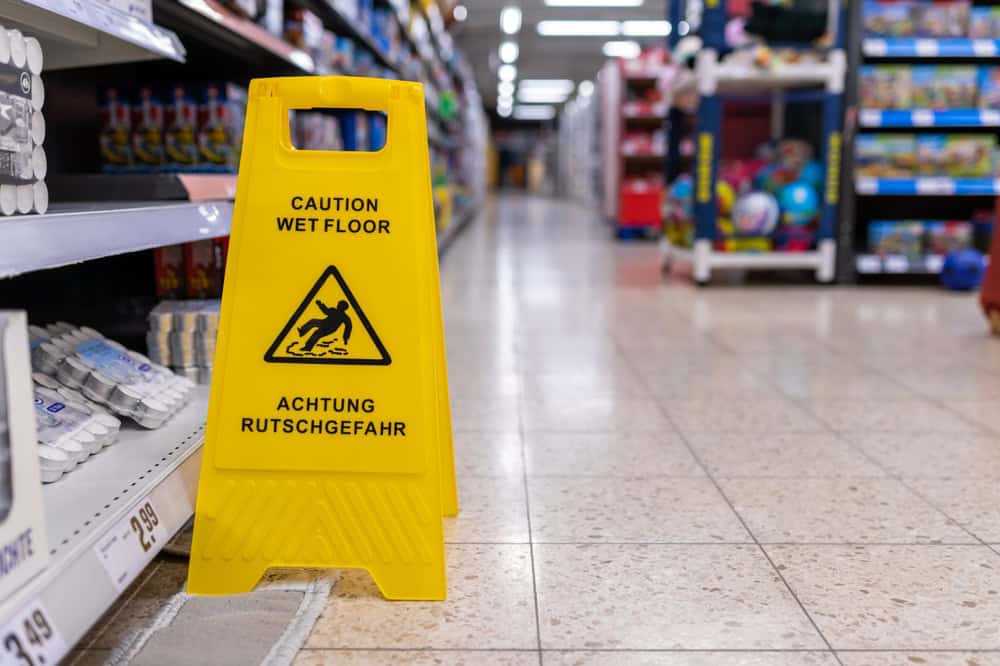
- Wet Floors and Spills: Grocery stores and restaurants frequently deal with dropped merchandise, spilled drinks, or recently mopped floors. If staff members fail to clean up the hazard or place clear warning signs, visitors can easily slip.
- Ice and Snow: During the winter months, untreated sidewalks and parking lots become incredibly dangerous. Property owners must clear ice and snow in a timely manner to prevent pedestrians from slipping.
- Greasy Surfaces: Commercial kitchens, auto repair shops, and industrial sites often develop greasy floors. Without proper matting and degreasing routines, these surfaces become major slip hazards.
2. Trip and Fall Accidents
While a slip involves a lack of friction, a trip occurs when a person’s foot catches on an unexpected obstacle.
- Uneven Pavement and Broken Stairs: Cracked sidewalks, potholes in parking lots, and crumbling staircases are prime tripping hazards. Pedestrians rarely expect the ground to suddenly shift or drop beneath them.
- Unsecured Rugs and Debris: Loose floor mats at building entrances or clutter left in retail aisles can easily catch the toe of a shoe, leading to a painful fall.
3. Inadequate Security
Property owners must foresee potential dangers, including criminal activity, and take reasonable steps to protect lawful visitors.
- Lack of Security Cameras and Broken Locks: Apartment buildings and hotels need functioning locks and visible cameras to deter crime. When landlords ignore broken gates or doors, they leave tenants vulnerable to theft and assault.
- Poor Lighting: Dark hallways, stairwells, and parking garages give criminals a place to hide. Proper illumination is a basic security measure that deters criminal acts and helps visitors see potential tripping hazards.
4. Dog Bites and Animal Attacks
Pet owners are responsible for the behavior of their animals. Premises liability accidents often include dog bites, which occur when owners fail to properly leash, fence, or control their pets. Failing to warn a visitor about a potentially aggressive animal on the property also constitutes negligence.
5. Swimming Pool Accidents
Swimming pools are attractive but highly dangerous features, especially for young children.
- Negligent Supervision: Public pools and hotels must provide adequately trained lifeguards. A lack of supervision can quickly lead to tragic drowning incidents.
- Broken Fencing and Slippery Decks: Private pool owners must install proper barriers to keep wandering children out. Additionally, water accumulating on smooth concrete decks creates a severe slipping hazard that requires non-slip treatments.
6. Elevator and Escalator Malfunctions
Large commercial buildings rely on elevators and escalators to move people efficiently. However, these complex machines require strict maintenance schedules. Poor upkeep can cause sudden drops, abrupt stops, or entrapment, leading to severe mechanical injuries or extreme emotional distress.
7. Defective Conditions and Structural Failures
Buildings must adhere to strict safety codes. When property owners ignore routine maintenance, the building itself becomes a threat.
- Collapsing Ceilings and Broken Handrails: Water damage can rot drywall, causing ceilings to cave in on guests. Similarly, loose or broken handrails on staircases provide a false sense of security, leading to devastating falls when they give way.
- Faulty Fire Safety Equipment: Missing smoke detectors, expired fire extinguishers, or blocked emergency exits drastically increase the risk of injury or death during a fire.
8. Toxic Exposure
Not all premises hazards are immediately visible. Older buildings or poorly maintained structures can harbor dangerous substances.
- Mold, Asbestos, and Lead Paint: Prolonged exposure to toxic black mold due to unfixed leaks can cause severe respiratory issues. During renovations, property owners must carefully manage asbestos and lead paint to prevent guests or tenants from inhaling toxic particles.
What to Do After a Premises Liability Accident
If you suffer an injury on someone else’s property, the steps you take immediately afterward can significantly impact your health and any future legal claims.
First, seek medical attention right away. Your physical health is the top priority, and a medical record connects your injuries directly to the accident. Second, report the incident to the property owner, manager, or security personnel, and ask for a written copy of the report.
Next, document the scene extensively. Take clear photos of the hazard that caused your injury — whether it is a wet floor, a broken stair, or a lack of lighting — before the property owner has a chance to fix it. Finally, collect contact information from any witnesses who saw the accident occur.
Protecting Your Rights in Tennessee
Understanding the causes of premises liability accidents helps you navigate your daily life more safely. However, when property owners cut corners on maintenance or ignore obvious hazards, innocent people pay the price. Treating an injury, missing time at work, and dealing with lasting pain should not be your financial burden when someone else’s negligence is to blame.
If you or a loved one is a premises liability victim in Tennessee, you do not have to fight the insurance companies alone. Contact Bill Easterly & Associates today. Our experienced team knows how to investigate unsafe property conditions, hold negligent owners accountable, and secure the compensation you deserve. Reach out for a consultation and let us help you get your life back on track.