
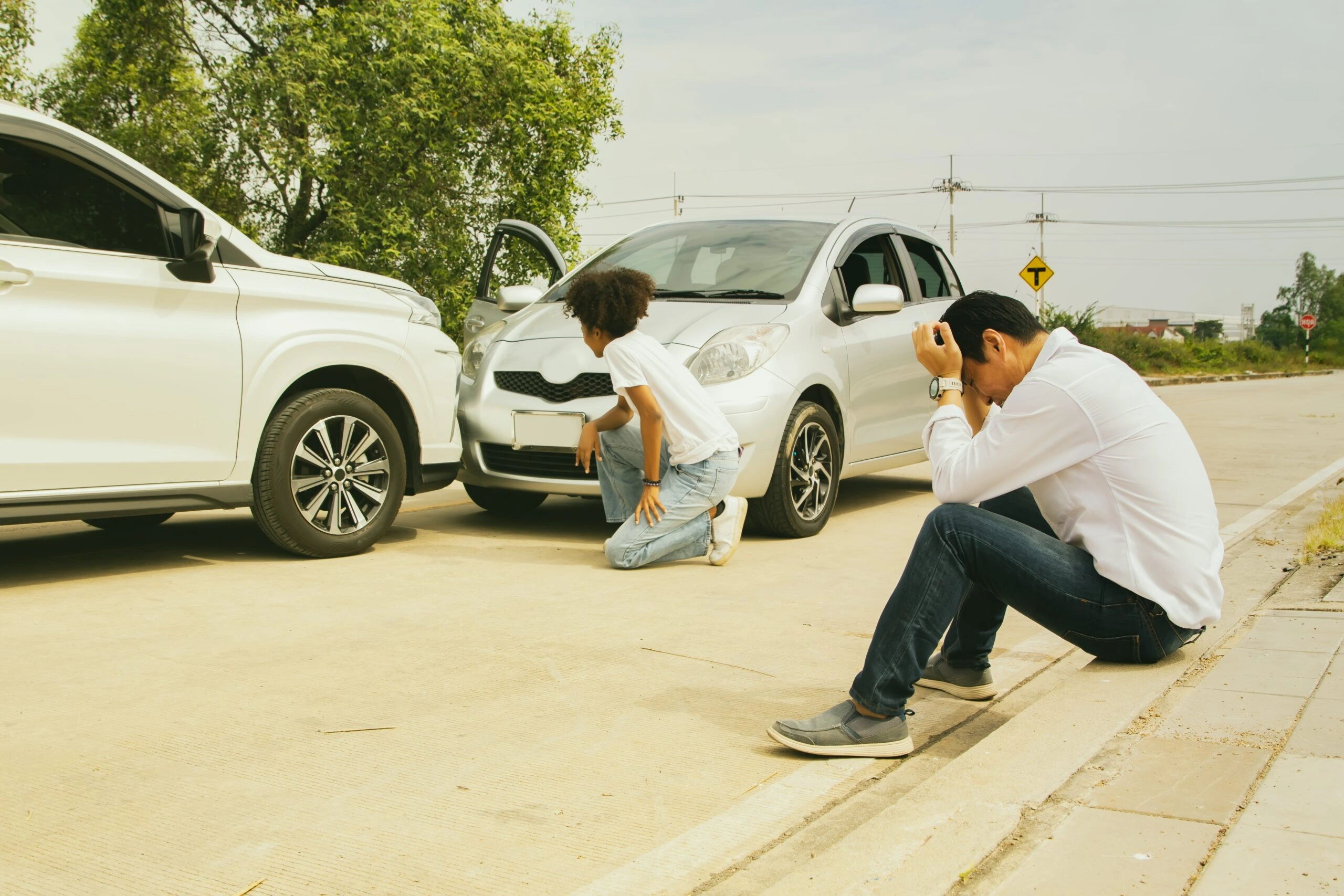
Hit by an Uninsured Driver in Tennessee? Your Rights and Next Steps
Being involved in a car accident is stressful. Finding out that the driver responsible for the collision doesn’t have insurance can make the situation even more overwhelming. You may be wondering who will pay your medical bills, how you’ll repair your vehicle, and whether you can recover compensation for your injuries.
If you’re hit by an uninsured driver in Tennessee, you may still have options. Depending on the circumstances, you could pursue compensation through your own uninsured motorist coverage, file a lawsuit against the at-fault driver, or investigate other available insurance policies.
At Bill Easterly & Associates, we help injured drivers and families throughout Middle Tennessee understand their rights after serious car accidents. Our guide explains what to do after an uninsured driver hits you, how Tennessee insurance laws work, whether you can sue, and how to protect your ability to recover compensation.
What Happens if an Uninsured Driver Hits You in Tennessee?
Tennessee follows a fault-based system for automobile accidents. Generally, the driver responsible for causing a collision may be legally liable for the resulting injuries and property damage. That responsibility doesn’t disappear simply because the driver lacks insurance.
However, recovering compensation can become more complicated when there is no liability insurance available to pay the claim. Depending on your situation, potential sources of compensation may include:
- Your uninsured motorist (UM) insurance coverage
- Medical payments coverage under your policy
- Collision insurance for vehicle damage
- A personal injury lawsuit against the responsible driver
- Other applicable insurance policies, including certain employer policies
The coverage available depends on the accident, the parties involved, and the terms of the applicable insurance contracts.
What Should You Do Immediately After an Accident With an Uninsured Driver?
The steps you take after a collision can affect both your health and your ability to pursue compensation.
1. Call 911 and Report the Accident
If anyone is injured, request emergency medical assistance. Report the accident to law enforcement and provide an accurate description of what happened.
If the other driver tells you they don’t have insurance, inform the responding officer. Ask how to obtain a copy of the accident report once it becomes available.
2. Gather Evidence at the Scene
If you can do so safely, document the collision before leaving the scene. Important information you want includes:
- The other driver’s name and contact information
- Their driver’s license and license plate number
- Photographs of vehicle damage and the accident scene
- Road conditions, traffic signals, and skid marks
- Names and contact information of witnesses
- Photographs of visible injuries
Even when the other driver has no insurance, their identifying information can be important for an investigation or lawsuit.
3. Seek Medical Attention
Some accident injuries aren’t immediately apparent. Whiplash, concussions, and other conditions may become more noticeable hours or days after a collision.
Prompt medical evaluation can help identify injuries and create documentation connecting them to the accident. Follow your healthcare provider’s treatment recommendations and retain copies of relevant records.
4. Notify Your Insurance Company
Report the accident to your insurance provider according to your policy’s requirements. Ask whether you have uninsured motorist coverage and what steps are necessary to submit a claim. Provide accurate information, but avoid speculating about fault or the extent of your injuries.
5. Avoid Accepting an Informal Cash Settlement
An uninsured driver may offer to pay for your vehicle damage or medical expenses directly. However, accepting money or signing a release before understanding the full extent of your losses can create complications.
Vehicle damage may be more extensive than it initially appears, and some injuries require ongoing treatment. Before agreeing to a settlement, make sure you understand what rights you may be giving up.
What Is Uninsured Motorist Coverage in Tennessee?
Uninsured motorist (UM) coverage is designed to protect qualifying insured individuals who suffer injuries or covered losses caused by drivers without applicable liability insurance.
Under Tennessee Code Annotated § 56-7-1201, automobile liability policies issued in Tennessee generally must include uninsured motorist coverage unless the named insured rejects it in writing or selects lower permitted limits.
Depending on the policy and circumstances, UM coverage may help compensate you for:
- Medical expenses
- Lost wages
- Pain and suffering
- Other recoverable injury-related damages
- Qualifying property damage
Coverage is subject to policy limits, deductibles where applicable, statutory provisions, and other insurance that may be available.
What if You Rejected Uninsured Motorist Coverage?
If you previously rejected UM coverage in writing, your policy may not provide that protection. However, you should still review all potentially applicable policies before assuming no insurance coverage exists.
For example, coverage associated with another vehicle involved in the accident may be relevant in certain circumstances.
Does Uninsured Motorist Coverage Apply to Hit-and-Run Accidents?
Potentially. Tennessee law permits certain UM claims involving unidentified drivers, but additional requirements apply.
These may involve evidence establishing the unknown vehicle’s involvement, reporting the collision to law enforcement within a reasonable time, and other statutory conditions.
A hit-and-run accident does not automatically qualify for uninsured motorist benefits.
Can You Sue an Uninsured Driver in Tennessee?
Yes. You can sue an uninsured driver in Tennessee if their negligence caused your injuries or other legally recoverable losses. The absence of insurance doesn’t eliminate the driver’s potential legal responsibility.
To succeed in a negligence-based personal injury lawsuit, you generally must establish that:
- The driver owed you a duty of reasonable care.
- The driver breached that duty.
- The breach caused your injuries.
- You suffered legally recoverable damages.
Evidence may include police reports, witness statements, photographs, medical records, and accident reconstruction findings.
Is Suing an Uninsured Driver Worth It?
Whether filing a lawsuit makes financial sense depends on the circumstances. One important consideration is the defendant’s ability to pay a judgment. Even if you win your lawsuit, collecting compensation can be difficult when the responsible driver has limited income or assets.
However, you shouldn’t automatically assume that every uninsured driver is unable to pay. An investigation may reveal available assets, another responsible party, or an insurance policy that could provide coverage.
Our attorneys can help evaluate these possibilities before you decide how to proceed.
Can You Recover Compensation Without Suing the Driver?
Yes. In some cases, an uninsured motorist claim can resolve through negotiations with your own insurance company. However, an insurer may dispute:
- Who caused the accident
- Whether the other driver qualifies as uninsured
- The seriousness of your injuries
- Whether certain treatment was necessary
- The amount of compensation owed
- Which policy limits apply
Filing a claim with your own insurance company does not guarantee payment of the amount requested. If a dispute cannot be resolved through negotiations, legal action may become necessary.
How Much Compensation Can You Recover After an Uninsured Driver Accident?
The value of an uninsured motorist accident claim depends on your injuries, financial losses, available coverage, and the circumstances of the collision. Potential damages may include:
1. Medical Expenses
Compensation may address:
- Emergency treatment
- Hospitalization
- Surgery
- Rehabilitation
- Medications
- Anticipated future medical care
2. Lost Income
If your injuries prevent you from working, you may be able to recover lost wages or compensation for reduced earning capacity.
3. Pain and Suffering
Serious injuries can cause physical pain, emotional distress, and significant disruptions to daily life. These losses may be considered when determining recoverable damages.
4. Vehicle Damage
Depending on the available insurance and legal claims, compensation may include vehicle repair costs or the value of a vehicle that cannot reasonably be repaired.
What if Your Damages Exceed Your Insurance Limits?
Uninsured motorist coverage generally cannot provide unlimited compensation. If your losses exceed the available UM benefits, our attorneys can investigate whether additional sources of recovery exist.
Tennessee also restricts the ability to combine uninsured motorist coverage limits from multiple vehicles or policies. For more information, read our guide to stacked vs. unstacked insurance coverage.
How Long Do You Have to Sue an Uninsured Driver in Tennessee?
Tennessee generally provides one year to file a personal injury lawsuit under Tennessee Code Annotated § 28-3-104. For many car accidents, that period begins on the date of the collision.
However, exceptions and different rules may apply depending on the circumstances. Property damage claims generally have a separate three-year limitations period under § 28-3-105.
Uninsured motorist claims may also involve policy requirements and procedural rules that must be evaluated separately. Negotiating with an insurance company generally does not stop the personal injury filing deadline. Because deadlines can affect your ability to recover compensation, seeking legal advice promptly is important.
What if an Uninsured Driver Causes a Fatal Accident?
When an uninsured driver’s negligence results in a death, eligible surviving family members may have grounds to pursue a Tennessee wrongful death claim. Depending on the circumstances, applicable uninsured motorist coverage may provide an additional source of compensation.
Tennessee wrongful death claims can involve medical expenses, funeral costs, lost financial support, and other legally recoverable losses.
However, the available coverage and filing deadlines require careful evaluation. Families should not assume that the absence of liability insurance prevents them from pursuing a claim.
Frequently Asked Questions About Uninsured Drivers in Tennessee
What if the Uninsured Driver Refuses to Pay?
You may be able to pursue an uninsured motorist claim or file a lawsuit. Whether you can collect compensation directly from the driver depends on their financial circumstances and other applicable legal considerations.
Will My Insurance Cover an Accident That Wasn’t My Fault?
Possibly. Your uninsured motorist, collision, or medical payments coverage may apply depending on your policy and the circumstances.
Can I Sue if I Don’t Have Uninsured Motorist Coverage?
Yes. You may still have a negligence claim against the responsible driver. However, collecting compensation can be more challenging without applicable insurance coverage.
What if I Was Partially Responsible for the Accident?
Tennessee follows a modified comparative fault system. Generally, an injured person whose fault is less than 50% may recover damages reduced by their percentage of responsibility. A person found 50% or more at fault is generally barred from recovery.
Contact Bill Easterly & Associates After an Uninsured Driver Accident
Being hit by an uninsured driver can leave you with medical expenses, lost income, vehicle damage, and uncertainty about your financial recovery.
At Bill Easterly & Associates, we help injured individuals and families in Nashville, Franklin, Murfreesboro, and throughout Middle Tennessee understand their options after serious motor vehicle accidents.
Our team can review the circumstances of your collision, investigate available insurance coverage, and help determine whether an uninsured motorist claim or personal injury lawsuit is appropriate.