
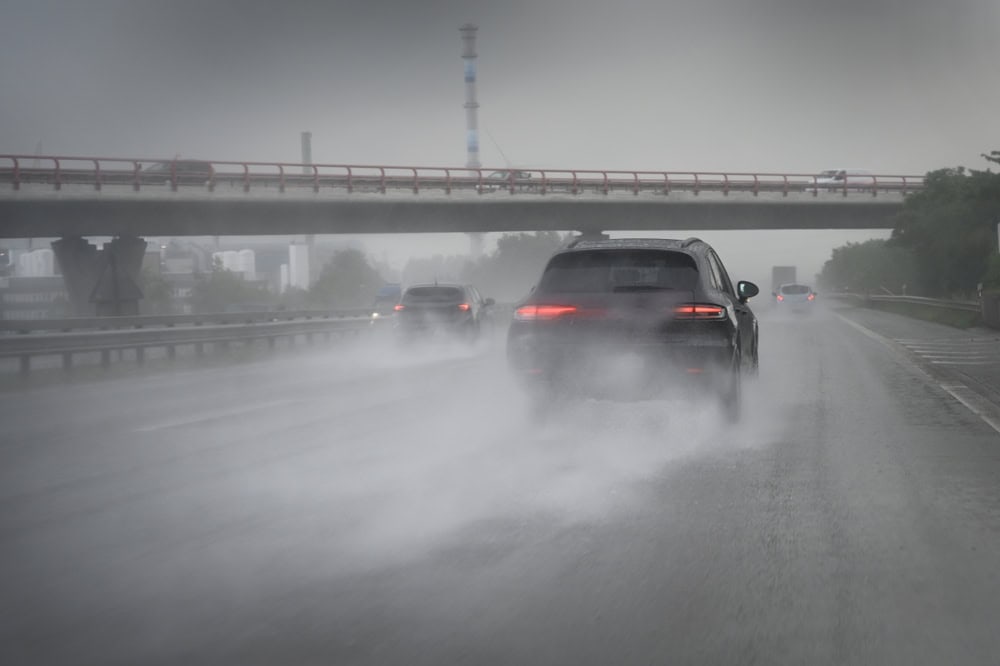
What is the Severe Weather Impact on Driving Safety?
Every year, drivers across the country face treacherous road conditions caused by sudden storms and high winds. According to road safety statistics, the severe weather impact on driving contributes to over one million weather-related crashes and over 6,000 fatalities annually. While rain and snow often receive the most attention, straight-line winds are a major contributor to devastating traffic collisions.
Understanding how these powerful gusts affect vehicle stability and roadway visibility is essential for keeping yourself and your passengers safe. The car accident attorneys at Bill Easterly & Associates explore the specific physical mechanisms that make high winds so dangerous. We also provide actionable safety measures you can implement immediately to protect yourself on the road.
How do straight-line winds affect driving?
Straight-line winds affect driving by reducing vehicle stability, pushing vehicles across lanes, increasing the risk of rollovers, and creating hazards such as flying debris and fallen trees. Larger vehicles are often more vulnerable to strong crosswinds.
What Are Straight-line Winds, and Where Do They Originate?
Straight-line winds are intense downdrafts generated by severe thunderstorms. When a powerful storm system collapses, it pushes massive amounts of air downward. Upon hitting the ground, this air spreads outward horizontally in a single, continuous direction.
Unlike tornadoes, which feature a rotating column of air, straight-line winds flow in a uniform path. However, their intensity is comparable to that of severe tropical storms. These downdrafts can reach hurricane force, frequently exceeding 100 mph.
At these extreme velocities, straight-line winds become just as destructive as tornadoes, capable of tearing roofs off buildings, uprooting large trees, and severely compromising the safety of anyone driving a motor vehicle.
How Do Straight-line Winds Impact Driving and Cause Car Accidents?
When storm systems produce extreme winds, the severe weather impact on driving manifests in several highly dangerous ways. The physical force exerted on a moving vehicle changes dramatically during a storm, often leading to rapid loss of control. Straight-line winds trigger accidents through three specific mechanisms.
1. Why do large vehicles experience broadside tip-overs?
Vehicles such as semi-trucks, box trucks, and large SUVs present a broad, flat, and aerodynamic surface area. When a sudden gust of straight-line wind hits the vehicle broadside (directly on the side), it creates intense lateral pressure.
This lateral force destabilizes the high center of gravity found in commercial trucks and SUVs. The wind can easily tip or completely roll the vehicle over, blocking multiple traffic lanes and causing catastrophic injuries to the occupants and surrounding motorists.
2. How do crosswinds cause lane drift and swerving?
Even smaller, lower-profile passenger vehicles remain highly vulnerable to sudden wind gusts. Powerful crosswinds push passenger cars out of their designated lanes and directly into adjacent traffic.
When a vehicle unexpectedly drifts, the driver often panics and overcompensates with the steering wheel. Jerking the steering wheel at highway speeds frequently results in a complete loss of vehicle control, fishtailing, or a rollover accident.
3. What are the dangers of flying debris and road obstructions?
High winds easily pick up loose objects from the surrounding environment. Tree branches, power lines, construction signs, and unsecured cargo quickly turn into hazardous projectiles. Hitting this airborne debris shatters windshields and severely reduces driver visibility.
Furthermore, when drivers swerve suddenly to avoid an unexpected road obstruction, they routinely trigger multi-vehicle collisions.
What are the Top Safety Recommendations for Driving in Severe Weather?
Preparedness and cautious driving techniques are your best defense against unpredictable storm systems. To stay safe when navigating through straight-line winds, implement these essential safety practices.
1. Reduce your vehicle speed immediately
Reducing your speed provides better tire traction on wet or slick roadways. More importantly, driving at a slower pace gives you significantly more reaction time to safely correct your steering if a sudden gust of wind hits your car. Choose a lower speed if you notice trees swaying heavily or debris blowing across the roadway.
2. Increase your following distance behind high-profile vehicles
Give high-profile vehicles, such as semi-trucks, buses, and RVs, plenty of space. Because these large vehicles are the most likely to be blown over or swerve unexpectedly, tailgating them during a storm is incredibly dangerous. Maintaining a longer following distance ensures you have adequate time to brake if the commercial truck ahead of you tips over.
3. Avoid vulnerable areas and elevated roadways
Certain geographical features and infrastructure designs channel and intensify wind speeds. Use extra caution when driving over open bridges, elevated causeways, or through mountain passes and narrow gaps. If you have the option, take an alternative route that avoids high-elevation roads during a severe weather warning.
4. Seek shelter in a sturdy building
Sometimes the safest driving maneuver is deciding not to drive at all. If straight-line winds become incredibly severe and impact your ability to steer your vehicle safely, pull over safely onto the shoulder or exit the highway. Find a sturdy building and wait out the storm inside.
Choose to pull over immediately if you feel your vehicle lifting or if blowing dust and rain reduce your visibility to near zero.
Why You Must Prioritize Safety and Legal Protection After a Severe Weather Accident
The severe weather impact on driving safety is undeniable. Straight-line winds and sudden storm systems transform routine commutes into highly dangerous situations. By reducing your speed, keeping a safe distance from commercial trucks, and knowing when to pull over, you significantly decrease your risk of a weather-related collision.
Unfortunately, even the most cautious drivers can fall victim to the negligence of others who fail to adjust their driving habits during a storm. If you or a loved one suffers injuries in a crash caused by another driver’s recklessness during a storm, you need experienced legal representation.
We encourage car accident victims in Tennessee to contact Bill Easterly & Associates today for a comprehensive review of your legal options and to ensure your rights are fully protected.
Frequently Asked Questions (FAQ)
Who is liable for a car accident caused by severe weather?
In most cases, drivers are still responsible for maintaining control of their vehicles regardless of the weather. If a driver fails to reduce their speed or drives recklessly during a storm and hits your car, that driver can be held legally liable for the resulting damages.
What should I do immediately after a weather-related car crash?
First, ensure you are safe and call emergency services to report the accident and request medical assistance. Document the scene by taking photos of the vehicles and the weather conditions, exchange insurance information with the other driver, and then contact a personal injury attorney to discuss your case.
How long do I have to file a car accident claim in Tennessee?
In Tennessee, the statute of limitations for filing a personal injury lawsuit after a car accident is generally one year from the date of the crash. Filing your claim promptly ensures evidence is preserved and your legal rights remain intact.
Are commercial trucking companies liable if their truck blows over onto my car?
Yes, a trucking company may be held liable if it forced its driver to operate in unsafe weather conditions, or if the truck was improperly loaded, making it more susceptible to a broadside tip-over.